Pamela Mason1*, Nisa Aslam2, Janine David3, Mark Burdon4
1Pharmacy Researcher, Brecon, UK
2West Hertfordshire Teaching Hospitals NHS Trust, Watford WD18 0HB, UK
3GP, Partner and Trainer, Porthcawl Medical Centre, Porthcawl, CF36 3LS, UK
4Pharmacist, Northumberland, UK
*Corresponding author: Pamela Mason, Pharmacy Researcher, Brecon, UK
Received Date: 02 September, 2026
Accepted Date: 10 September, 2026
Published Date: 08 October, 2026
Citation: Mason P, Aslam N, David J, Burdon M (2026) Next-Generation Mild-to-Moderate Pain Management Pathway: A Strategy for Reversing the Opioid Crisis. J Community Med Public Health 10: 583. DOI: https://doi.org/10.29011/2577-2228.100583
Abstract
Background: The opioid crisis continues to escalate in the United Kingdom and globally, with significant clinical, healthcare, economic and societal consequences. Opioid-related harms may include dependence, opioid-induced respiratory depression, sedation, cognitive impairment, falls, fractures, and constipation. The associated economic burden places considerable pressure on healthcare systems. Main findings: Analysis by the York Health Economics Consortium estimated the UK economic burden of opioid prescribing at approximately £1.17 billion. Opioid prescription costs were the largest contributor (£447 million; 38%), followed by drug abuse counselling (£343 million; 29%). The most deprived 20% of the UK population make up 33% of the total cost burden of opioid prescribing, at ≈£388 million. A 2-week opioid prescribing delay could further reduce the burden of prescribing by around £24 million annually. Ways forward: Growing concern exists regarding the escalation of opioid usage among patients with chronic and mild-to-moderate (acute) pain, with some prescribing practices following the World Health Organization (WHO) analgesic ladder, a framework originally developed primarily for cancer pain management and broadened to chronic and acute pain management. In addition, the National Institute for Health and Care Excellence (NICE) permits opioids as an early guidance intervention strategy for managing mild-to-moderate pain after initial monotherapy treatment with paracetamol or a NonSteroidal Anti-Inflammatory Drug (NSAID). As a result, some of the current analgesic pathways may facilitate earlier escalation to opioids than is necessary and could lead to dependency, particularly when applied to Chronic Non-Cancer Pain (CNCP) and mildto-moderate (acute) pain. This highlights the need for alternative evidence-based treatment pathways for patients experiencing mildto-moderate pain that reduce reliance on opioid therapy. A revised pain management pathway could incorporate an opioid-free fixeddose combination of paracetamol (500 mg) and ibuprofen (150 mg) such as Combogesic® as a third-step pharmacological option following initial monotherapy with paracetamol (step 1) and ibuprofen (step 2) before prescribing opioids. Conclusions: Despite recent progress in reducing long-term and high-dose opioid prescribing, opioid exposure remains substantial in the UK and opioidrelated harms continue to represent an important public health burden. Given this, the introduction of an early guidance intervention strategy as a ‘step 3’ approach that delays or avoids opioid initiation, improves patient outcomes, reduces healthcare expenditure, and simplifies treatment could be an alternative way forward in real-world mild-to-moderate and acute pain management.
Keywords: Dependency; Economic costs; Life quality; Opioids; Mild-to-moderate pain; Pain management; Societal costs
Pain – Where Are We?
Pain is very common and considered a major clinical, social and economic burden globally [1]. There are many different types of pain, with the International Association for the Study of Pain (IASP) defining pain as: “an unpleasant sensory and emotional experience associated with, or resembling that associated with, actual or potential tissue damage” [2]. However, this definition has been criticised as somewhat limited, due to its inability to clearly distinguish pain from non-pain experiences with similar sensory qualities, such as pruritus (itch) or paraesthesia (tingling), which are not necessarily associated with tissue damage [3]. Although pain often occurs following disease or injury, it is not simply a secondary symptom and has been classified as a distinct clinical condition in its own right [4].
Mild-to-moderate (acute) pain is defined as pain of recent onset that typically lasts from a few seconds to up to three months and is usually associated with actual or threatened tissue injury [5]. Acute pain, which can be severe over a limited time-frame, is seen as a useful survival mechanism that serves a protective and healing function. In contrast, chronic pain persists or recurs and can be mild-to-moderate as well as acute, for longer than three months and may continue for several years [5]. Pain, whether acute or chronic, is recognised as a multifactorial experience shaped by biological, psychological and social factors, as described by the biopsychosocial model [5]. The relative contribution of each of these domains differs between individuals and may vary throughout the course of the condition [5]. Chronic Non-Cancer Pain (CNCP) is persistent pain that typically lasts for more than three to six months and is not related to a malignant disease. It includes conditions like lower back pain, arthritis, fibromyalgia, and nerve pain [5].
Consequently, pain can significantly affect multiple aspects of daily life, including sleep, quality of life, mental wellbeing, and employability [6-8] and pain-related conditions are among the leading causes of disability worldwide [9]. The aim of this publication is to examine pain prevalence in the UK focusing on mild-to-moderate pain (acute pain rather than chronic), examine current pain management approaches, and the economic, personal and social costs associated with pain (using data from the York Health Economics Consortium [10]), while exploring future strategies to reduce the risk of opioid dependency.
Pain Prevalence in the UK
Pain prevalence identified in the literature varies depending on the criteria and definitions, with estimates of mild-to-moderate pain ranging from 20 to 50% in different populations [11]. Regarding mild-to-moderate pain, Langley (2011) [12] assessed the prevalence, severity and treatment of pain using data from an internet-based survey of adults in five European countries, including UK, France, Spain, Germany and Italy. Among the estimated 49.7 million people reporting pain across these countries, 29.4 million detailed moderate pain, 9.0 million noted mild pain and 11.2 million reported severe pain [12]. The prevalence of daily pain was estimated at 8.85% of the population, with 4.70% detailing moderate daily pain and 3.47% reporting severe daily pain [12]. A more recent 2023 study in 5,961 middle-aged and older Germans aged 40-85 years found 44% of all adults suffered from at least very mild pain [13]. The global prevalence of CNCP is estimated to affect roughly 25% to 33% of the general adult population [14].
A recent Perspectus global poll [15] of n=2003 UK adults reported head pain (headaches) to be most common, with 51% experiencing pain in this region, followed by the lower back, with 38% reporting this. Most participants (54%) reported their regular pain to be moderate i.e. ranked 4-6 on a pain scale of 1-10 mild to severe (Figure 1) [15]. Thirty percent reported regular pain to be mild i.e. ranked 1-3 [15]. Most experienced sleepless nights and stress/ anxiety, 46% and 43% respectively, as a result of the pain [15].
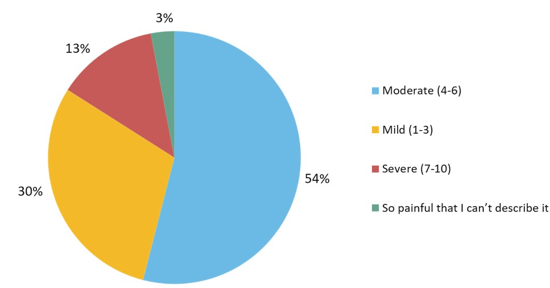
Figure 1: Self-reported levels of regular pain in UK adults (n=2003).
The UK Opioid Crisis: Examining Causes, Consequences, and Current Challenges
Scale of use
Opiates are naturally occurring alkaloids extracted from the opium poppy (Papaver somniferum), whereas opioids are a broader class that includes opiates, their semi-synthetic and synthetic derivatives, and endogenous compounds that act on opioid receptors [16]. Clinically, opioids have long been used in the management of acute (including mild-to-moderate pain), severe, chronic (including CNCP) pain, but they may also be used nonmedically for their euphoric and sedative effects [16].
Opioid-related drug poisoning deaths have increased by 388% since 1993 in England and Wales [17]. Whilst the opioid crisis in the United States (US) remains one of the highest-profile public health crises of the 21st century, it is less known that England has also experienced a substantial rise in opioid prescribing and growing numbers of individuals seeking treatment for prescription opioid misuse [17]. Comparisons between opioid prescribing patterns and opioid-related mortality in the United States and England highlight important differences in prescribing practices, sociocultural factors, and healthcare systems that may either contribute to or protect against the development of a public health crisis [18]. As global access to opioid medications increases, understanding the factors that influence opioid use and misuse becomes of significant importance [18].
England has experienced increasing opioid-related morbidity, with opioid-related hospitalisations rising 49% between 2008 and 2018 [19]. Treatment rates for prescription and over-the-counter drug misuse also increased between 2009 and 2016 [20]. In England and Wales, 5,565 deaths connected to drug poisoning were registered in 2024, the equivalent of 93.9 deaths per million people, and higher than the rate recorded in 2023 (93.0 deaths per million, 5,448 deaths [21]. Almost half of all drug-poisoning deaths registered in 2024 involved an opiate or opioid (47.1%; 2,621 deaths) [21]. Amongst adults in contact with drug and alcohol treatment services in England, 42% (72.6% males, 27.4% females) were receiving support for opiate-related problems, making opioids the largest substance group within the treatment system [22]. Factors contributing to increased opioid use in England may include socio-economic fallout, deprivation, higher unemployment rates, and an ageing population which places people at heightened risk of developing chronic non-cancer pain [17,19,23,24]. The COVID-19 pandemic is another risk factor thought to exacerbate opioid overdose deaths [25].
Implications and Side Effects
Regarding neurobiology, opioids exert their effects by binding to opioid receptors within the brain’s endogenous opioid system, which regulates pain, reward, and other physiological functions via endogenous peptides such as endorphins [26]. Opioid use induces its effect by acting primarily through the mu (µ) opioid receptor (MOR), which mediates both therapeutic analgesia and adverse effects such as euphoria, dependence, and tolerance [27]. Chronic opioid exposure induces cellular adaptations, including receptor phosphorylation, desensitisation, and β-arrestin recruitment, which diminish MOR signalling to downstream pathways [27].
Opioid dependence is typically characterised by dysregulated opioid use resulting from repeated or prolonged exposure to opioids [28]. Its core feature is a compulsive drive to use opioids, manifested by impaired control over use, prioritisation of opioid use over other activities, and continued use despite adverse consequences [28]. Physiological adaptations commonly accompany dependence, including tolerance, withdrawal symptoms upon cessation or dose reduction, and recurrent use of opioids or related substances to prevent or alleviate withdrawal [28].
The primary cause of opioid-induced death is opioid-induced respiratory depression, which is the neural depression of the respiratory drive, which can cause ventilation insufficiency, particularly when accompanied with a reduced level of consciousness and obstructive sleep apnea [29]. Other major toxicities of opioid analgesics include histamine-mediated effects such as flushing and hypotension, hypersensitivity reactions, and serotonin toxicity, particularly if other serotonergic medications are being used in conjunction [30]. Weaker opioids such as codeine, dihydrocodeine and tramadol are associated with clinically important adverse effects and are not necessarily safer than stronger opioids [31]. Their use may be complicated by unpredictable analgesic response, drug interactions and risks including respiratory depression, seizures and serotonin syndrome [31].
Evaluation of Efficacy
Economic, Personal and Social Costs
A cost calculator model developed by York Health Economics Consortium (YHEC) [10] estimated the healthcare and societal burden of opioid prescribing in the UK. The model incorporated costs associated with prescriptions, hospitalisations, GP visits, work absenteeism, drug counselling, and included scenario analysis of a 2-week reduction in opioid prescribing as well as an equity analysis by Index of Multiple Deprivation (IMD) quintile. The model accounted for both appropriate opioid use and prescription misuse, applying published misuse rates to estimate costs related to opioid use disorder. Due to evidence limitations, assumptions included no differentiation by prescribing frequency, generalisation across weak and strong opioids where subtypespecific data were unavailable, and exclusion of unquantified factors such as criminal resource use and illicit opioid harms. These conservative assumptions mean the estimated societal burden is likely to be very underestimated.
Main findings from the YHEC data analysis [10] revealed that the burden of opioid prescribing in the UK is estimated to be ≈£1.17 billion. As shown in Table 1 the prescribing of the opioids themselves was the largest contributor to the overall burden at ≈£447 million, accounting for approximately 38% of total spending. The next largest cost was attributed to drug abuse counselling at ≈£343 million, making up 29% of total spending. The overall cost relating to the burden of opioid prescribing amounts to ≈£219 per person i.e. per opioid-prescribed patient.
|
Healthcare |
Societal |
||
|
Prescribing costs for strong opioids |
£309,613,203 |
Opioid use absenteeism |
£204,614,641 |
|
Prescribing costs for weak opioids |
£137,803,693 |
Opioid disorder absenteeism |
£3,502,970 |
|
Opioid induced constipation hospitalisations |
£5,339,666 |
Counselling cost for drug abuse |
£343,852,351 |
|
GP appointments for OIC |
£1,106,488 |
Depression counselling from OIC |
£150,671,055 |
|
Opioid related hospitalisations (not OIC related) |
£12,064,901 |
||
|
Opioid self-harm hospitalisations |
£113,168 |
||
|
Total |
£466,041,119 |
Total |
£702,641,016 |
|
Key: GP: General Practitioner; OIC: Opioid Induced Constipation. The results show that most of the associated healthcare costs come from prescribing the opioids and from the societal perspective it is the cost of drug abuse counselling. |
|||
Table 1: Projected Healthcare and Societal Costs.
Different Integrated Care Boards (ICB) across the UK displayed different prescribing prevalence’s of opioids. Norfolk and Suffolk demonstrated the highest rate of opioid prescribing of 12.7% across their total registered patient population. Meanwhile West and North London had the lowest rate of prescribing of 5.39%. This 7% prescribing difference between the lowest and highest opioid-using ICBs highlights that it could be useful to conduct changes in opioid prescribing by region rather than overall country.
Overall opioid prescribing cost was also mapped across specific deprivation groups and results stratified by IMD. The most deprived 20% of the UK population (IMD1) make up 33% of the total cost burden of opioid prescribing, at ≈£388 million. This is largely different to the least deprived group (IMD5) which had the least spending impact, making up approximately 13% of total spending, at ≈£151 million (Table 2).
|
Results by IMD group |
Cost |
% of total opioid prescribing |
|
1 (most deprived) |
£388,462,021 |
33.24% |
|
2 |
£244,906,846 |
20.96% |
|
3 |
£206,182,645 |
17.64% |
|
4 |
£176,179,297 |
15.08% |
|
5 (least deprived) |
£151,507,870 |
12.96% |
|
Abbreviations: IMD: Index of Multiple Deprivation. There is greatest relative cost of opioids for those in IMD quintile 1 (the most deprived). The cost difference between IMD1 and IMD5 is £236,954,151. |
||
Table 2: Opioid Costs by Index of Multiple Deprivation.
Finally, a scenario exploring a 2-week opioid prescribing delay showed that this could reduce the burden of prescribing by ≈£24 million annually. This scenario highlights the potential value of reducing prescribing to opioid-naïve patients (those who had not previously received opioid therapy) to reduce further downstream cost loss that develops due to chronic opioid use. Reducing opioid use may include tapering the use of opioids quicker, to help mitigate dependency. Alternatively, reductions in opioid use may be reinforced by delaying opioid prescribing, with alternative pain management support given before prescribing opioids.
Consequences and Misuse Crisis
The consequences of the opioid epidemic are extremely serious. The opioid crisis has led to a 49% increase in related hospitalisations (2008-2018), costing an estimated £137 million [17]. Opioid drug poisoning deaths in England and Wales rose by 388%, and treatment for prescription and over-the-counter opioid misuse grew by 38% between 2009 and 2016 [17]. And drug-poisoning deaths involving opioids continue to rise; 2024 data reveals 2,621 registrations in England and Wales, up 2.7% from 2,551 in 2023 [32].
Opioid use is also strongly associated with social and health disadvantages [22]. UK survey data shows that in treatment populations, 41% of individuals with opioid problems had no home of their own at treatment entry; 71% reported a mental health treatment need; and only 23% successfully completed treatment [22]. Whilst the opioid crisis in the U.S. has largely been driven by synthetic opioids such as fentanyl and related analogues, similar substances e.g. nitazenes are also now emerging in the UK with nitazene-related deaths increasing almost fourfold in 2024 (195 deaths versus 52 in 2023) [18,21,25].
Pain management is often managed sub-optimally within the UK National Health Service, particularly in primary care and chronic pain services [33]. A systematic review of 28 studies found that discharge opioids contributed to prolonged opioid use; among opioid-naive patients, 10.4% continued to use opioids three months after hospital discharge, with 4.4% remaining on opioids at six months [34]. Widespread shortfalls in multidisciplinary, psychological, and integrated care provision have been identified, highlighting the need for coordinated policy and service-level improvements [33]. Opioids are widely used in both UK hospitals and the community, contributing to an epidemic marked by high rates of dependency and other adverse effects. In 2019, the UK led the world in opioid consumption [35], with prescriptions in England rising by 34% between 1998 and 2016, equating to a 127% increase in total oral morphine [17,35].
Current Pain Management Protocols
In 1986 the World Health Organization (WHO) introduced an Analgesic Ladder to guide physicians on appropriate pain relief strategies for cancer patients which involved a three-step progression framework [36,37]. The three-step ladder (Figure 2) began at stage 1 with non-opioid analgesics (e.g. paracetamol or any of the non-steroidal anti-inflammatory drugs, (NSAIDs) with or without non-pharmacological approaches for mild pain. It continues at stage 2 with weak opioid medications (e.g. codeine) with or without non-opioid analgesics and adjuvants for mildto-moderate pain (e.g. ibuprofen), and at stage 3 it progresses to strong opioids (e.g. oxycodone or morphine) with or without nonopioid analgesics and adjuvants for moderate-to-severe pain [3638].
|
FREEDOM FROM CANCER PAIN |
|
|
3 |
Opioid for moderate to severe pain ± Non-opioid ± Adjuvant |
|
Pain persisting or increasing |
|
|
2 |
Opioid for mild-to-moderate pain ± Non-opioid ± Adjuvant |
|
Pain persisting or increasing |
|
|
1 |
Non-opioid ± Adjuvant |
|
PAIN |
Figure 2: WHO Three-Step Analgesic Ladder. Adapted from: WHO (1996) [38].
It was advised that the first step is a non-opioid. If this does not relieve the pain, an opioid for mild-to-moderate pain should be added. When an opioid for mild-to-moderate pain in combination with a non-opioid fails to relieve the pain, an opioid for moderate to severe pain should be substituted. Only one drug from each of the groups should be used as the same time.
It is now, however, increasingly recognised that the WHO analgesic ladder, which largely classified opioids as weak or strong, and also like other current analgesic pathways may facilitate earlier escalation to opioids than is necessary and could lead to dependency, contributing to opioid-related harm including inappropriate use and misuse, particularly when applied to chronic non-cancer pain and mild-to-moderate (acute) pain [39]. Such models that prematurely introduce opioids are now considered outdated, with the second step in particular coming under scrutiny because of limited evidence supporting the efficacy of weak opioids, alongside weak opioids being subject to lower levels of regulatory prescription [40]. Furthermore, they under-recognise the role of introducing non-opioid fixed-dose combinations before opioid escalation [41]. Over time, such an approach appears to have been misused i.e. used for chronic and acute pain in general which may have had a role to play in the opioid public health crisis, with the UK now demonstrating one of the highest percapita prescribing rates of opioid analgesics internationally [42]. Some research also suggests a step-2 approach using low-dose strong opioids in low- and middle- income countries where weak opioids are expensive [43], although the extended ramifications of such an approach are not yet known.
Typical pharmacological approaches to mild-to-moderate pain commonly include non-opioid analgesics such as paracetamol and NSAIDs, with some clinical circumstances requiring opioidcontaining analgesics for moderate pain. Fixed-Dose Combination (FDC) analgesics are identified e.g. paracetamol with codeine, dihydrocodeine or tramadol, but NICE, for example, does not include a combination of paracetamol/ibuprofen in one dose.
Overall, there appears to be some inconsistencies when it comes to chronic, chronic non-cancer pain and mild-to-moderate pain management strategies. In the past, weak opioids have been heavily used and prescribed which may have had unintended misuse consequences. Equally, changes to pain management pathways including the removal of Step 2 of the WHO analgesic ladder, and other published advice such as current analgesic pathways that may facilitate earlier escalation to opioids than is necessary particularly when applied to chronic non-cancer pain and mild-tomoderate (acute) pain, to initiate lower-dose strong opioids as an early guidance intervention strategy after the initial monotherapy treatment phases with paracetamol or an NSAID may also have had unintended consequences. Consequently, it has been proposed that arbitrary classifications of opioids as weak or strong should be discontinued [39].
One consideration that appears to have been overlooked is the use of FDC analgesics such as Combogesic® (paracetamol 500 mg/ibuprofen 150 mg). This formulation is designed to provide enhanced multimodal analgesia through the complementary mechanisms of paracetamol and ibuprofen, while reducing ibuprofen exposure by 50 mg per tablet, compared with the commonly co-administered regimen of paracetamol 500 mg plus ibuprofen 200 mg [41]. This offers an improved benefit–risk profile without compromising analgesic efficacy. Combogesic® oral tablets offer stronger, faster pain relief than paracetamol or ibuprofen tablets alone. Its unique 3.3:1 ratio is clinically proven to be 80% more effective than paracetamol alone and 30% more effective than ibuprofen alone [45]. It also provides a faster onset of meaningful pain relief than paracetamol or ibuprofen alone [45] and may also be used for mild-to-moderate pain relief e.g. during headaches, migraines, dental pain, period pain, muscular aches, backaches, sore throats, and cold and flu symptoms.
Proposed Future Pathway for Acute (Mild-to-Moderate) Pain
For adults aged 18 years and over, an alternative pathway strategy for the management of mild-to-moderate pain is proposed (Figure 3; subject to clinical assessment, contraindications, comorbidities/ patient factors). Emerging evidence suggests that opioid-free, FDC analgesics may address important gaps in current pain management frameworks.
Similarly, the Australian and New Zealand College of Anaesthetists and Faculty of Pain Medicine state that combinations of analgesics with different mechanisms or sites of action may improve analgesia, reduce opioid requirements (the “opioid-sparing” effect), and minimise opioid-related adverse effects in the postoperative setting [51].
Laboratory studies have demonstrated a synergistic interaction between paracetamol and ibuprofen when used in combination [52]. In particular, a patented 3.3:1 ratio of paracetamol to ibuprofen (as used in Combogesic®) has been shown to maximise analgesic efficacy while using the lowest effective dose of ibuprofen, potentially reducing the risk of gastrointestinal (GI) adverse effects [52].
Clinical evidence supports these laboratory findings. Combogesic® is the only fixed dose combination analgesic that contains paracetamol and ibuprofen in this 3.3:1 ratio. Each tablet contains 500 mg of paracetamol and 150 mg of ibuprofen and is indicated for the short-term treatment of mild-to-moderate pain. The recommended dose is one to two tablets every six hours, up to a maximum of six tablets daily [53]. It is available over the counter as both a General Sales List (GSL) and Pharmacy (P) medicine.
Clinical studies have consistently demonstrated the efficacy of the 3.3:1 paracetamol/ibuprofen combination used in Combogesic®. In adults undergoing dental surgery, patients receiving two tablets of paracetamol 500 mg/ibuprofen 150 mg before wisdom tooth extraction and every six hours for 48 hours afterwards experienced superior pain relief compared with paracetamol or ibuprofen alone, as measured by the Area Under the Curve (AUC) for the 100 mm Visual Analogue Scale (VAS) for pain [48].
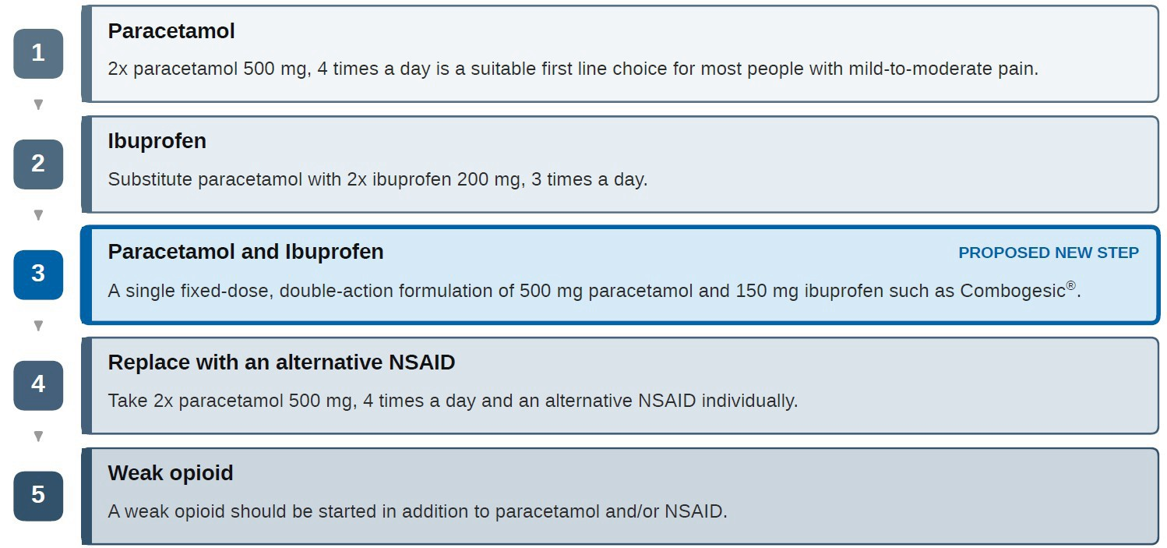
Figure 3: Proposed Future Pathway for Mild-to-Moderate and Acute Pain. Addressing the Opioid Crisis. This proposed pathway is subject to clinical assessment, contraindications, comorbidities/ patient factors.
FDCs have the potential to improve analgesic adherence, simplify pain management by eliminating the complex dosing schedules associated with concomitant monotherapies, and reduce the risk of dosing errors and other safety concerns [41]. The principle of enhancing analgesia through the combination of agents with complementary mechanisms of action is well established. For example, caffeine has been shown to enhance the analgesic efficacy of paracetamol [46], and the use of paracetamol and ibuprofen in combination is widely recommended for the management of acute severe pain, such as toothache [45,47-50].
Similar findings were reported in a prospective, multicentre, randomised, double-blind, placebo-controlled Phase III trial involving 408 adults with moderate to severe pain following surgical removal of impacted third molars [45]. Participants received paracetamol 975 mg/ibuprofen 292.5 mg (3.3:1), paracetamol alone, ibuprofen alone or placebo. The fixed dose combination provided significantly better pain control than either monotherapy or placebo [45].
Studies evaluating other paracetamol/ibuprofen ratios have produced more variable results. In a multicentre, randomised, double-blind factorial study of 735 adults with moderate to severe dental pain, the two higher-dose 2.5:1 combination (500 mg/200 mg and 1000 mg/400 mg) provided greater pain relief than either paracetamol or ibuprofen alone, or placebo [49]. Similar findings were reported in a further study of 234 adolescents and adults with postoperative dental pain following impacted molar extraction [50]. A randomised trial in 892 patients with knee osteoarthritis also found that the 2.5:1 fixed dose combination was more effective than paracetamol alone [54].
However, not all combination ratios have demonstrated superior efficacy. In patients presenting to the emergency department with soft tissue injuries, a 2.5:1 paracetamol/ibuprofen combination provided no greater pain relief than either agent alone [55]. Likewise, a 2:1 combination was not superior to either constituent following paediatric tonsillectomy [56]. Furthermore, there was a lack of consensus as to whether combinations of paracetamol/ ibuprofen in ratios of 1.66:1 [56,57] and 1.25:1 [57,58] impacted acute pain compared with paracetamol or ibuprofen alone. Table 3 summarises the available clinical evidence evaluating different fixed dose paracetamol/ibuprofen ratios. Overall, the greatest and most consistent efficacy has been demonstrated with the 3.3:1 ratio used in Combogesic®, whereas lower ratios have produced mixed findings.
|
Study reference |
Dose in mg Paracetamol/ibuprofen |
Ratio Paracetamol/ Ibuprofen |
Effect on pain of combination vs single components |
|
Merry et al 201048 |
500/150 |
3.3:1 |
Acute pain: positive; Chronic pain: positive |
|
Daniels et al 201845 |
975/292.5 |
3.3:1 |
Acute pain: positive |
|
Mehlisch et al 2010a49 Mehlisch 2010b50 Doherty et al 201154 |
500/200 |
2.5:1 |
Acute pain: positive Chronic pain: negative |
|
Hung et al 201855 |
500/200 Alternating doses |
2.5:1 |
Acute pain: negative |
|
Merry et al 201356 |
120/60 per ml |
2:1 |
Acute pain: negative |
|
Menhinnick et al 200457 Wells et al 201158 |
500/300 |
1.66:1 |
Acute pain: no consensus |
|
Dahl et al 200459 Bondarsky et al 201360 |
1000/800 |
1.25:1 |
Acute pain: negative |
NB: The doses of the two paracetamol preparations in Merry et al (2010)48 and Daniels et al. (2018)45 are equivalent; i.e. 2 doses in Merry et al.
(2010)48 is 1000mg/300mg which is equivalent to the dose used in Daniels et al. (2018)45 976mg/292.5mg.
Table 3: Analgesic efficacy of fixed dose paracetamol/ibuprofen combinations at different dose ratios.
Pain Management in the Intravenous Format
Intravenously administered NSAIDs constitute a crucial component of multimodal analgesia strategies with evidence from meta-analysis and systematic reviews showing that intravenous (IV) NSAIDs reduce postoperative opioid consumption by approximately 20-60%, while improving pain management with fewer opioid-related side effects [61]. Alongside being using in tablet form in Community settings, Combogesic® is also used in in hospitals in the IV form [41]. Combogesic® IV is indicated in adults for the short-term symptomatic treatment of acute moderate pain and the reduction of fever, where an intravenous route of administration is considered clinically necessary and/or when other routes of administration are not possible and is now being integrated into hospital pain management pathways [41,53,62]. The main objective of this approach is to reduce opioid requirements and improve pain control at each step of the analgesic ladder, allowing for use of lower doses of opioids, or omission of their use [41]. Both tablet and IV formulations of Combogesic® contain the same 3.3:1 paracetamol/ ibuprofen ratio making it straightforward to transfer from one formulation to another, for example when a patient is discharged from hospital and may transfer from the IV infusion to the tablet form [41]. Research by Daniels, et al. (2019) found that Combogesic® IV (an IV FDC of acetaminophen and ibuprofen) provided significantly greater pain relief over comparable doses of monotherapy, without an increase in adverse events [63]. Combogesic® IV was shown to be more than twice as effective as each mono-component, showing a mean relief of 23.4 mm in time adjusted SPID48, which is more than double the pain relief observed with paracetamol alone (10.4 mm) or ibuprofen alone (9.5 mm) [63]. Gottlieb et al. (2021) conducted an openlabel exposure study of 232 adults (≥18 years) requiring repeated doses of an IV acetaminophen/ibuprofen FDC over 2-5 days following surgery [64]. Across a broad age range, including adults aged 65-75 years and ≥75 years, the treatment was well tolerated, and positively perceived, with 75.4% of participants rating their overall experience as either ‘Excellent’ or ‘Very Good’ [64].
Safety
Clinical evidence supports the safety profile of Combogesic®. Pooled safety data from four studies involving 922 patients [65] who received the fixed-dose combination of paracetamol 500 mg/ ibuprofen 150 mg found that the incidence of adverse events was comparable with, or lower than, that observed with paracetamol alone, ibuprofen alone or placebo (Figure 4). Combogesic® was not associated with an increased incidence of GI adverse events or post-operative bleeding compared with either monotherapy. The pooled analysis also demonstrated a reduced need for opioid rescue medication. At least one dose of rescue oxycodone was required by 70% of patients receiving placebo, compared with 50% receiving paracetamol alone, 39% receiving ibuprofen alone and 34% receiving the fixed dose combination [65]. These findings suggest that Combogesic® may reduce the need for opioid rescue medication to a greater extent than either paracetamol or ibuprofen alone.
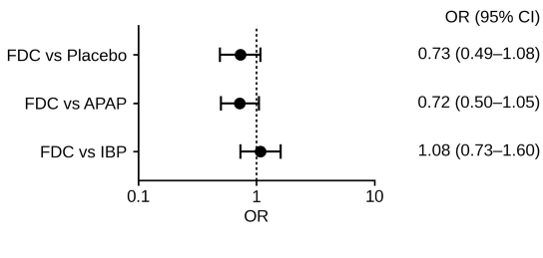
Figure 4: Odds ratio (OR) of experiencing at least one adverse event during the double-blind treatment period.
A Comparison of the Fixed Dose Combination (FDC) (Combogesic®) of Acetaminophen (Paracetamol) and Ibuprofen Compared with Paracetamol or Ibuprofen Monotherapy (data from Aitken et al. 2019) [65]. OR: odds ratio; FDC: Fixed Dose Combination (Combogesic) of Acetaminophen (Paracetamol) and Ibuprofen; APAP: Acetaminophen (Paracetamol); IBU: Ibuprofen.
Gastrointestinal (GI) adverse effects associated with NSAIDs are dose dependent. Meta-analysis data indicate that the relative risk of GI complications with ibuprofen almost doubles at doses above 1200 mg/day (pooled relative risk 1.8), with the risk approaching that observed for naproxen and indomethacin [66]. This also aligns with NHS guidance which advises that ibuprofen should be taken at the lowest possible dose to reduce the risk of stomach irritation and adults should take it for no more than 10 days (three days for under 18s) [67]. GI side-effects of ibuprofen are also particularly apparent over 1800 mg/day [68]. The lower ibuprofen content of the 3.3:1 fixed-dose combination therefore provides an effective analgesic option while limiting exposure to higher ibuprofen doses that are associated with increased GI risk.
In this analysis [65], the proportion of patients requiring rescue medication was pooled and assessed. The proportion of subjects requiring at least one dose of rescue medication (oxycodone) was highest in the placebo group (70%) and lowest in the fixed dose combination group (34%). In the active comparator groups, over 39% receiving ibuprofen and 50% of those receiving paracetamol required at least one dose of rescue medication. These findings suggest that Combogesic® reduces the need for opioid rescue medication to a greater extent than paracetamol or ibuprofen monotherapy. Consequently, its use may contribute to reducing opioid exposure in the management of pain.
NSAIDs are associated with a risk of GI complications, with dose being an important determinant of risk. For ibuprofen, doses above 1200 mg/day are associated with an increased risk of GI complications, with the relative risk approaching that of naproxen and indomethacin. In a meta-analysis of 28 studies by Castellsague et al. (2012) [66] the pooled relative risk of GI complications with ibuprofen was 1.8 at doses exceeding 1200 mg/day, representing an almost twofold increase compared with lower doses (Figure 5). It concluded that high NSAID doses produced approximately 2-3 times the relative risk associated with low / medium doses [66]. However, one issue was that the individual studies used varying definitions of low and high dose, which did not justify universal cut-offs [66].
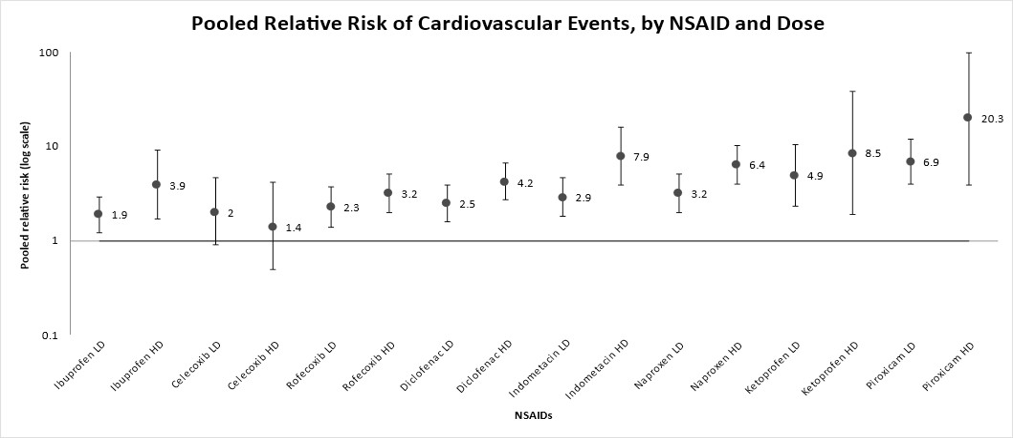
Figure 5: Pooled Relative Risks and 95% Confidence Intervals of upper GI symptoms associated with individual NSAIDs (data from Castellsague et al. (2012)) [66].
In a review of 36 case-control studies (n=19,648 cases and 105, 373 controls) and eight cohort studies ibuprofen was associated with a lower risk of serious GI complications compared with other NSAIDs, although this effect appeared to be lost at higher doses exceeding 1800 mg/day [68]. As shown in Figure 6 there appears to be a rank order of NSAIDs at low doses whilst at higher doses odds ratios tend to converge (except for piroxicam) [68]. It should, however, be considered that the value of such a comparison is limited compared to patient-level data, due to the dose categories varying between studies [68].
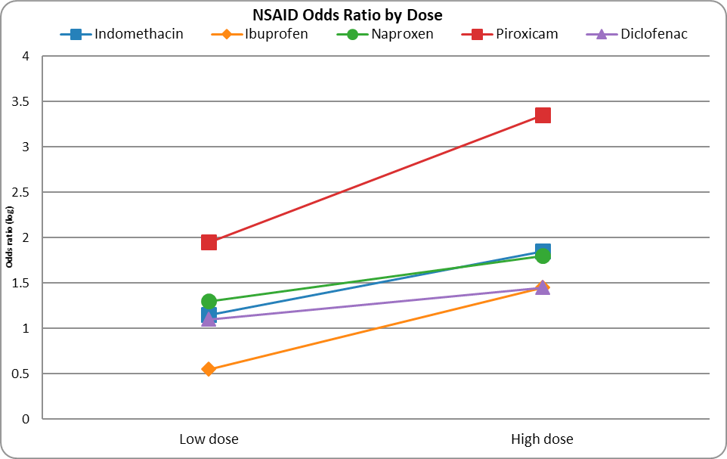
Figure 6: Risks of low and high doses of NSAIDs (data pooled from seven studies). Source: Henry & McGettigan [68].
Summary of Efficacy
Combogesic® was developed with the dose-dependent GI risk profile of ibuprofen in mind. Each dose contains 300 mg of ibuprofen (maximum 900 mg/day), maintaining total daily exposure below the threshold at which the risk of NSAID-related GI complications is known to increase, while preserving analgesic efficacy.
Combogesic® oral tablets provide greater and faster pain relief than paracetamol or ibuprofen monotherapy [45,48] (Figure 7). The fixed dose combination, with a 3.3:1 paracetamol-toibuprofen ratio, has been shown to be 80% more effective than paracetamol alone and 30% more effective than ibuprofen alone. It also provides a faster onset of meaningful pain relief than either monotherapy [45,48]. It is indicated for the temporary pain relief of headache and migraine pain, back pain and period pain. Daniels et al. (2018)) [45].
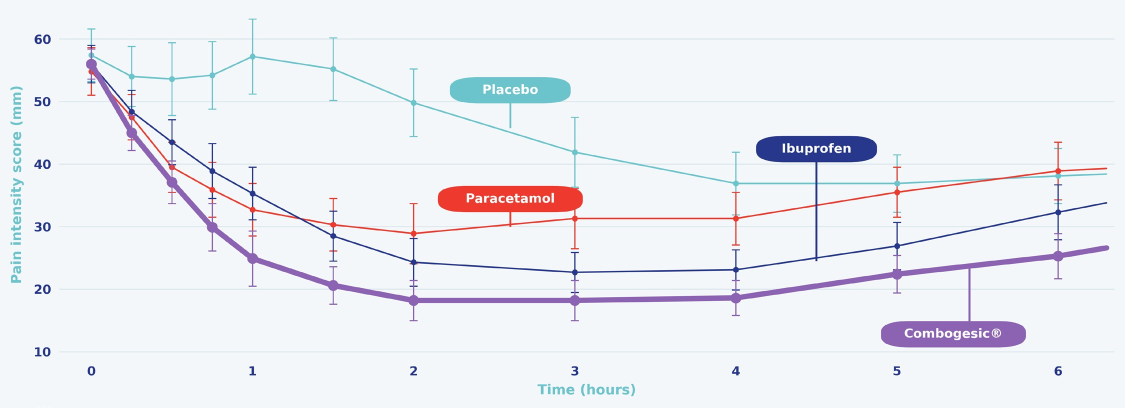
Figure 7: Pain intensity scores over six hours: Combogesic® compared with paracetamol alone, ibuprofen alone and placebo (Data from
Conclusions
Pain is highly prevalent and represents a major clinical, social, and economic burden worldwide. Growing concern also surrounds the escalating use of opioids for pain in relation to chronic, non-cancer chronic and mild-to-moderate (including acute). Current pain management guidance, including those recommended by the WHO [36,37] plus other published advice such as the current analgesic pathways [44], may facilitate earlier escalation to opioids than is necessary, particularly when applied to chronic non-cancer pain and mild-to-moderate (acute) pain. There is therefore an urgent need to prevent further escalation in opioid prescribing across the UK, alongside a shift away from the traditional classification of opioids as “weak” or “strong” and towards evidence-based, opioidsparing treatment strategies in relation to chronic non-cancer pain and mild-to-moderate (acute) pain [39].
One promising approach would be to incorporate an opioid-free fixed-dose combination of paracetamol (500 mg) and ibuprofen (150 mg), such as Combogesic®, into an updated pain management pathway. Specifically, this combination could be introduced as an early guidance strategy - third-step pharmacological option - following initial monotherapy with paracetamol (step 1) and ibuprofen (step 2), before considering opioid prescribing. By combining two well-established analgesics while using the lowest effective dose of ibuprofen to minimise gastrointestinal risk, this strategy has the potential to optimise pain relief while delaying or avoiding opioid initiation.
Adopting this revised mild-to-moderate pain algorithm pathway could help clinicians reduce opioid prescribing and the associated risk of dependence, while generating substantial NHS cost savings. The overall economic burden associated with opioid use has been estimated at approximately £1.17 billion, largely driven by opioid prescription costs (£447 million) and drug abuse counselling (£343 million) [10]. Even delaying opioid prescribing by just two weeks could reduce prescribing costs by an estimated £24 million annually, highlighting the value of reducing opioid exposure among opioid-naïve patients and preventing downstream costs associated with chronic opioid use [10]. Such an approach could also help address health inequalities, as the most deprived 20% of the UK population account for approximately one-third (33%) of the total cost burden of opioid prescribing, equivalent to around £388 million, while ultimately improving patients’ quality of life [10].
Acknowledgements: The authors received an educational grant for their time from AFT Pharmaceuticals. AFT Pharmaceuticals played no role in producing this journal paper.
References
- Henschke N, Kamper SJ, Maher CG (2015) The epidemiology and economic consequences of pain. Mayo Clin Proc 90: 139-147.
- Raja SN, Carr DB, Cohen M, Finnerup NB, Flor H, et al. (2020) The revised International Association for the Study of Pain definition of pain: concepts, challenges, and compromises. Pain 161: 1976-1982.
- Aydede M (2019) Does the IASP definition of pain need updating? Pain Rep 4: e777.
- Mills SEE, Nicolson KP, Smith BH (2019) Chronic pain: a review of its epidemiology and associated factors in population-based studies. Br J Anaesth 123: e273-e283.
- IASP (2026) Pain Management Center - Chapter 1. International Association for the Study of Pain: Washington.
- Pooleri A, Yeduri R, Horne G, Frech A, Tumin D (2023) Pain interference in young adulthood and work participation. Pain 164: 831-837.
- Kelleher EM, Wall A, Seymour B, Irani A (2026) Why sleep matters in chronic pain: evidence across the lifespan. EBioMedicine 125: 106158.
- SIP [Societal Impact of Pain] (2023) Joint Statement on Pain and Mental Health.
- GBD 2021 Diseases and Injuries Collaborators (2024) Global incidence, prevalence, years lived with disability (YLDs), disabilityadjusted life-years (DALYs), and healthy life expectancy (HALE) for 371 diseases and injuries in 204 countries and territories and 811 subnational locations, 1990-2021: a systematic analysis for the Global Burden of Disease Study 2021. Lancet 403: 2133-2161.
- York Health Economics Consortium (2026) Combogesic Opioid Epidemic in the UK Report. Data on file.
- Brattberg G, Thorslund M, Wikman A (1989) The prevalence of pain in a general population. The results of a postal survey in a county of Sweden. Pain 37: 215-222.
- Langley PC (2011) The prevalence, correlates and treatment of pain in the European Union. Curr Med Res Opin 27: 463-480.
- Wettstein M, Tesarz J (2023) Increasing pain prevalence and intensity among middle-aged and older adults: Evidence from the German Ageing Survey. J Psychosom Res 168: 111233.
- Sica A, Casale B, Dato MTD, Calogero A, Spada A, et al. (2019) Cancer- and Non-cancer Related Chronic Pain: From the Physiopathological Basics to Management. Open Med (Wars) 14: 761-766.
- Perspectus Global Survey (2025) GIN2350121- Combogesic (09/02/2025-11/02/2025) n=2003. Data on file.
- Shafi A, Berry AJ (2022) Sumnall H, et al. Synthetic opioids: a review and clinical update. Ther Adv Psychopharmacol 12: 20451253221139616.
- Roberts AO, Richards GC (2023) Is England facing an opioid epidemic? Br J Pain 17: 320-324.
- Weisberg DF, Becker WC, Fiellin DA, Stannard C, et al. (2014) Prescription opioid misuse in the United States and the United Kingdom: cautionary lessons. Int J Drug Policy 25: 1124-1130.
- Friebel R, Maynou L (2022) Trends and characteristics of hospitalisations from the harmful use of opioids in England between 2008 and 2018: Population-based retrospective cohort study. J R Soc Med 115: 173-185.
- Burkinshaw P, Knight J, Anders P, et al. (2017) Evidence review of the outcomes that can be expected of drug misuse treatment in England. London, UK: Report Public Health England.
- ONS (2025a) Deaths related to drug poisoning in England and Wales: 2024 registrations. Deaths related to drug poisoning in England and Wales from 1993 to 2024, by cause of death, sex, age and substances involved in the death.
- ONS (2025b) Adult substance misuse treatment statistics 2024 to 2025: report.
- Curtis HJ, Croker R, Walker AJ, Richards GC, Quinlan J, et al. (2019) Opioid prescribing trends and geographical variation in England, 19982018: a retrospective database study. Lancet Psychiatry 6: 140-150.
- Vandoros S, Gong X, Kawachi I (2020) The link between unemployment and opioid prescribing. An instrumental variable approach using evidence from England. J Epidemiol Community Health.
- Skolnick P (2022) Treatment of overdose in the synthetic opioid era. Pharmacol Ther 233: 108019.
- Grothusen JR, Blendy JA, Barr GA (2022) A Brief Overview of the Neuropharmacology of Opioid Addiction. Transl Perioper Pain Med 9: 491-496.
- Swingler M, Donadoni M, Unterwald EM, Maggirwar SB, Sariyer IK (2025) Molecular and cellular basis of mu-opioid receptor signaling: mechanisms underlying tolerance and dependence development. Front Neurosci 19: 1597922.
- WHO (2025) Opioid overdose.
- Baldo BA, Rose MA (2022) Mechanisms of opioid-induced respiratory depression. Arch Toxicol 96: 2247-2260.
- Baldo BA (2021) Toxicities of opioid analgesics: respiratory depression, histamine release, hemodynamic changes, hypersensitivity, serotonin toxicity. Arch Toxicol 95: 2627-2642.
- Anon (2016) “Weak” opioid analgesics. Codeine, dihydrocodeine and tramadol: no less risky than morphine. Prescrire Int 25: 45-50.
- Office for National Statistics (2025) Deaths related to drug poisoning in England and Wales: 2024 registrations. Deaths related to drug poisoning in England and Wales from 1993 to 2024, by cause of death, sex, age and substances involved in the death.
- Copley S, Carty S, Brown M, Mishra S, Clarke EK, et al. (2025) Bridging the GAP: a critical analysis of pain management services in the United Kingdom. Br J Anaesth 134: 1597-1602.
- Arwi GA, Schug SA (2020) Potential for Harm Associated with Discharge Opioids After Hospital Stay: A Systematic Review. Drugs 80: 573-585.
- The Lancet Public Health (2022) Opioid overdose crisis: time for a radical rethink. Lancet Public Health 7: e195.
- McGuire LS, Slavin K (2020) Revisiting the WHO Analgesic Ladder for Surgical Management of Pain. AMA J Ethics 22: E695-E701.
- Max M (1986) World Health Organization cancer pain relief program: network news. J Pain Symptom Manage 1: 53-57.
- WHO (1996) Cancer pain relief: with a guide to opioid availability. 2nd ed. Geneva, Switzerland: World Health Organization.
- Crush J, Levy N, Knaggs RD, Lobo DN (2022) Misappropriation of the 1986 WHO analgesic ladder: the pitfalls of labelling opioids as weak or strong. Br J Anaesth 129: 137-142.
- Bramati PS, Bruera E (2022) The end of the second step of the World Health Organization analgesic ladder? Ann Oncol 33: 1212-1213.
- Burdon M, Aslam N, Mason P (2025) Pain and The UK Opioid Crisis: Time to Reconsider Pain Management Programmes and The Role for Specific Combination Analgesics. J Community Med Public Health 9: 515.
- Jayawardana S, Forman R, Johnston-Webber C, Campbell A, Berterame S, et al. (2021) Global consumption of prescription opioid analgesics between 2009-2019: a country-level observational study. EClinicalMedicine 42: 101198.
- Fallon M, Dierberger K, Leng M, Hall PS, Allende S, et al. (2022) An international, open-label, randomised trial comparing a two-step approach versus the standard three-step approach of the WHO analgesic ladder in patients with cancer. Ann Oncol 33: 1296-1303.
- NICE (2025) Which analgesics are available for the treatment of mildto-moderate pain? National Institute for Health and Care Excellence: London.
- Daniels SE, Atkinson HC, Stanescu I, Frampton C (2018) Analgesic Efficacy of an Acetaminophen/Ibuprofen Fixed-dose Combination in Moderate to Severe Postoperative Dental Pain: A Randomized, Double-blind, Parallel-group, Placebo-controlled Trial. Clin Ther 40: 1765-1776.e5.
- Mobasheri A, Morlion B, Sethi VS, Cardosa M, Pasqua OD, et al. (2025) Combination vs. single-drug nonprescription analgesics for acute pain management: A narrative review. Br J Clin Pharmacol 91: 2796-2816.
- NHS. Antibiotics don’t cure toothache. National Health Services.
- Merry AF, Gibbs RD, Edwards J, Ting GS, Frampton C, et al. (2010) Combined acetaminophen and ibuprofen for pain relief after oral surgery in adults: a randomized controlled trial. Br J Anaesth 104: 8088.
- Mehlisch DR, Aspley S, Daniels SE, Bandy DP (2010) Comparison of the analgesic efficacy of concurrent ibuprofen and paracetamol with ibuprofen or paracetamol alone in the management of moderate to severe acute postoperative dental pain in adolescents and adults: a randomized, double-blind, placebo-controlled, parallel-group, singledose, two-center, modified factorial study. Clin Ther 32: 882-895.
- Mehlisch DR, Aspley S, Daniels SE, Southerden KA, Christensen KS (2010) A single-tablet fixed-dose combination of racemic ibuprofen/ paracetamol in the management of moderate to severe postoperative dental pain in adult and adolescent patients: a multicenter, two-stage, randomized, double-blind, parallel-group, placebo-controlled, factorial study. Clin Ther 32: 1033-1049.
- ANZCA (2020) Acute Pain Management: Scientific Evidence Australian and New Zealand College of Anesthetists and Faculty of Pain Medicine Fifth edition 2020.
- Miranda HF, Puig MM, Prieto JC, Pinardi G (2006) Synergism between paracetamol and nonsteroidal anti-inflammatory drugs in experimental acute pain. Pain 121: 22-28.
- EMC (2026) Electronics Medicine Compendium (EMC) Combogesic 500mg/150mg [BA38.1] film-coated tablets SmPC.
- Doherty M, Hawkey C, Goulder M, Gibb I, Hill N, et al. (2011) A randomised controlled trial of ibuprofen, paracetamol or a combination tablet of ibuprofen/paracetamol in community-derived people with knee pain. Ann Rheum Dis 70: 1534-1541.
- Hung KKC, Graham CA, Lo RSL, Leung YK, Leung LY, et al. (2018) Oral paracetamol and/or ibuprofen for treating pain after soft tissue injuries: Single centre double-blind, randomised controlled clinical trial. PLoS One 13: e0192043.
- Merry AF, Edwards KE, Ahmad Z, Barber C, Mahadevan M, et al. (2013) Randomized comparison between the combination of acetaminophen and ibuprofen and each constituent alone for analgesia following tonsillectomy in children. Can J Anaesth 60: 1180-1189.
- Menhinick KA, Gutmann JL, Regan JD, Taylor SE, Buschang PH (2004) The efficacy of pain control following nonsurgical root canal treatment using ibuprofen or a combination of ibuprofen and acetaminophen in a randomized, double-blind, placebo-controlled study. Int Endod J 37: 531-541.
- Wells LK, Drum M, Nusstein J, Reader Al, Beck M (2011) Efficacy of Ibuprofen and ibuprofen/acetaminophen on postoperative pain in symptomatic patients with a pulpal diagnosis of necrosis. J Endod 37: 1608-1612.
- Dahl V, Dybvik T, Steen T, Aune AK, Rosenlund EK, et al. (2004) Ibuprofen vs. acetaminophen vs. ibuprofen and acetaminophen after arthroscopically assisted anterior cruciate ligament reconstruction. Eur J Anaesthesiol 21: 471-475.
- Bondarsky EE, Domingo AT, Matuza NM, Taylor MB, Thode Jr HC, et al. (2013) Ibuprofen vs acetaminophen vs their combination in the relief of musculoskeletal pain in the ED: a randomized, controlled trial. Am J Emerg Med 31: 1357-1360.
- Maurice-Szamburski A, Quemeneur C, Rozier R, Cuvillon P, Ecoffey C (2025) Intravenously Administered Nonsteroidal Anti-Inflammatory Drugs in Clinical Practice: A Narrative Review. Pharmacy (Basel) 13: 18.
- EMC. Combogesic IV 10 mg/ml + 3 mg/ml [1000mg / 300mg in 100ml] solution for infusion.
- Daniels SE, Playne R, Stanescu I, Zhang J, Gottlieb IJ, et al. (2019) Efficacy and Safety of an Intravenous Acetaminophen/Ibuprofen Fixed-dose Combination After Bunionectomy: a Randomized, Doubleblind, Factorial, Placebo-controlled Trial. Clin Ther 41: 1982-1995.e8.
- Gottlieb IJ, Gilchrist N, Carson S, Stanescu I, Atkinson H (2021) Extending the safety profile of the post-operative administration of an intravenous acetaminophen/ibuprofen fixed dose combination: An open-label, multi-center, single arm, multiple dose study. Biomed Pharmacother 139: 111710.
- Aitken P, Stanescu I, Playne R, Zhang J, Frampton CMA, et al. (2019) An integrated safety analysis of combined acetaminophen and ibuprofen (Maxigesic® /Combogesic®) in adults. J Pain Res 12: 621634.
- Castellsague J, Riera-Guardia N, Calingaert B, Varas-Lorenzo C, Fourrier-Reglat A, et al. (2012) Individual NSAIDs and upper gastrointestinal complications: a systematic review and meta-analysis of observational studies (the SOS project). Drug Saf 35: 1127-1146.
- NHS. Ibuprofen for adults (Nurofen).
- Henry D, McGettigan P (2003) Epidemiology overview of gastrointestinal and renal toxicity of NSAIDs. Int J Clin Pract Suppl 43-49.